
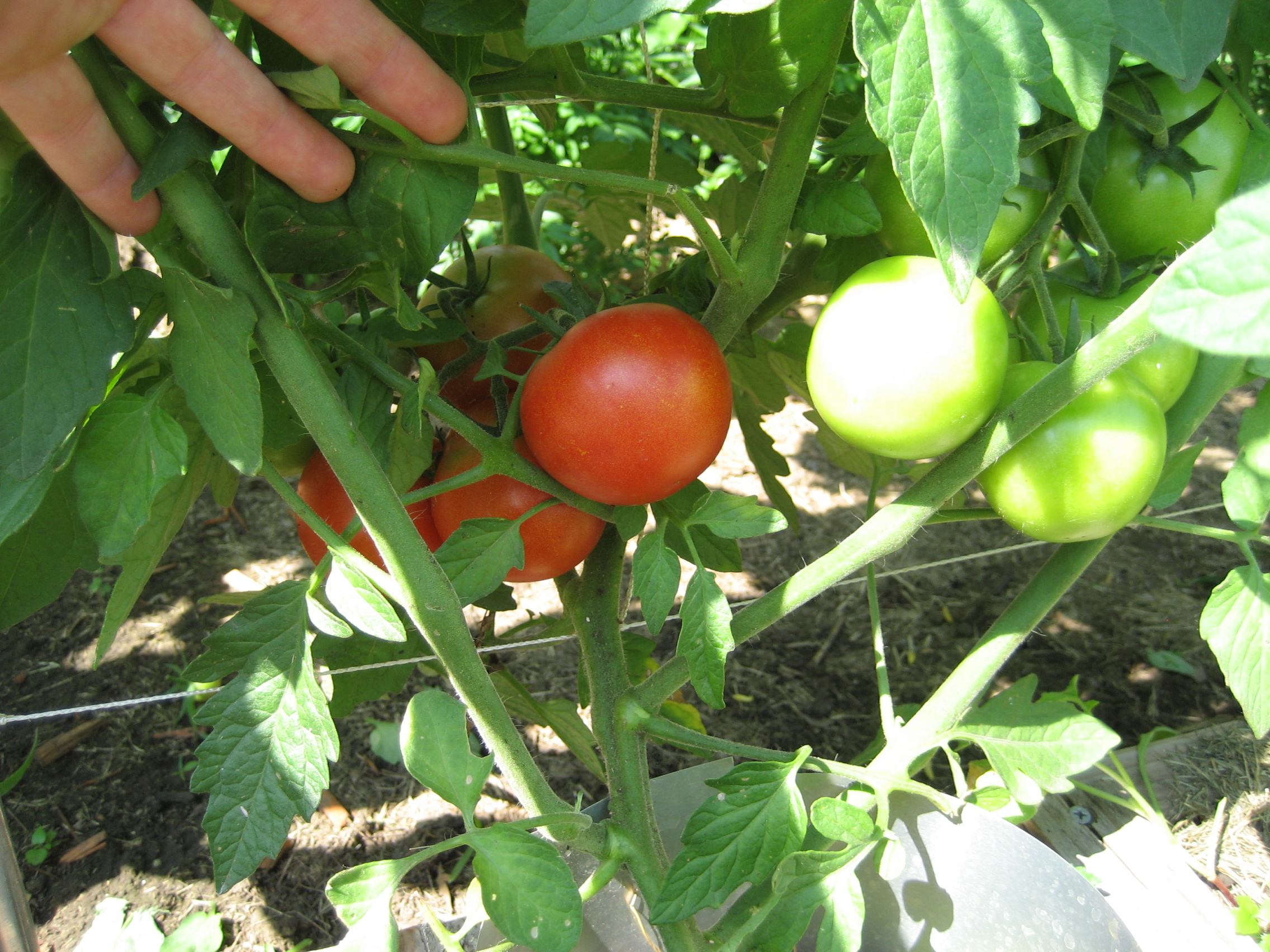
One family’s backyard vegetable garden.
In this post, guest author Peter McAllister shares with us why it’s important to start your own garden. He also explains a few of the first steps you’ll need to take to transition your yard from grass to produce.
So what about you? Do you grow your own food? If so, why do you think it’s important? What tips do you have for others who are just getting started? We’d love to hear from you in the comments section below….
– – – – – – – – – – – – – – – – – – – – – – – – – – – – – – – – – – – – – – – – – – – – – – –
“There is growing awareness about the level of chemical fertilizers and pesticides going into our fresh produce. Commercial producers of fruit and vegetables often use chemical fertilizers and pesticides to control the yield and health of their crops. From the producer’s perspective they want the highest yields with the lowest losses to pests possible because their business is more profitable this way.
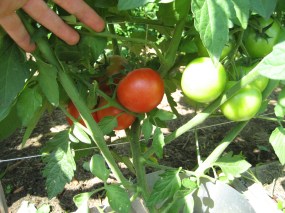 However, there is growing awareness about some of the adverse effects of the use of chemical fertilizers and pesticides. Because of this, a growing number of consumers are choosing to eat organically produced fruit and vegetables. This can be done either by purchasing organic produce from stores or growing your own produce.
Adverse effects of the use of chemical fertilizer and pesticides
- Chemical poisons are carried on through the food chain and can have a knock on effect in harming animals.
- When you eat fruit and vegetables that have had chemical pesticides applied to them you too are ingesting this poison.
- The production of chemical fertilizers and pesticides has a far greater impact on the global environment than natural substances.
Growing your own fruit and vegetables is easier than you may think. All it takes is a well maintained growing patch that receives ample sunlight, water and nutrients.
How to set up your own vegetable patch
The first thing you want to consider is the position of the vegetable patch. The position of your growing area will vastly affect the yield you gain. One of the biggest considerations is sunlight. You want to position your growing area so that it achieves the most sunlight possible throughout the day. You can do this as scientifically or as instinctively as you like. One way of accurately measuring the sunlight exposure your garden gets is to set up a camera at a fixed point that has a good overall view. Once an hour take a picture of your yard for an entire day. You can then look at these pictures in a “timeline” to see which areas have the most sun for longest over the course of a day. Or, if this is not your style, you can set up the growing area in a position that you know has good general light exposure (at least 6 hours for most vegetables).
Once you have decided upon an area in which to grow your produce you need to set it up properly. If you just dig up some earth and plant seeds, the chances are you will get less than satisfactory results.
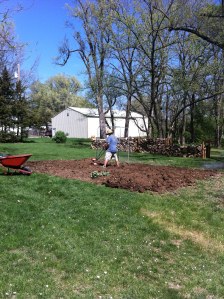
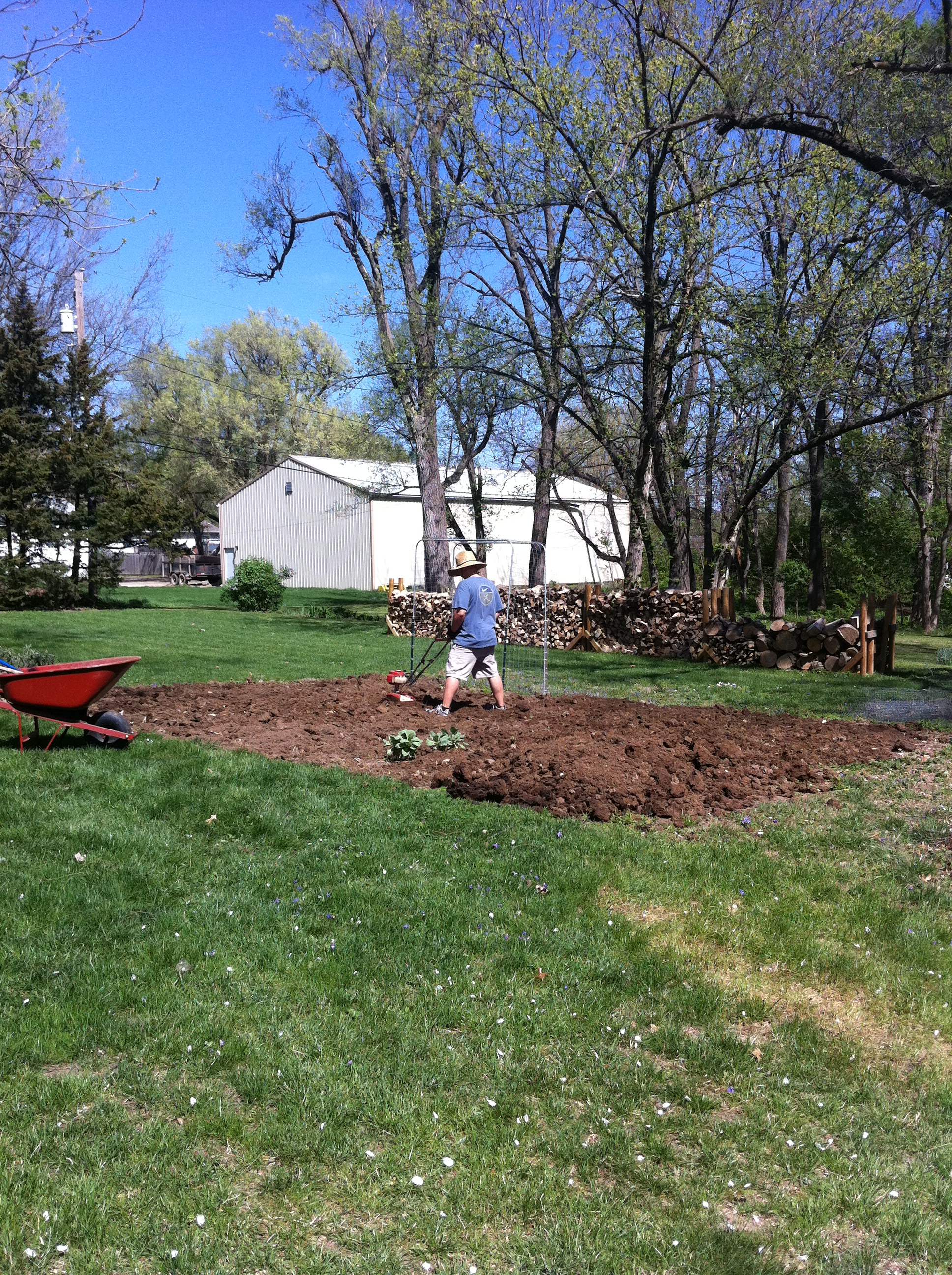
Rotavators/tillers make working the soil much easier!
The first thing to do is mark out the area you want to have designated for growing. You can then lift up the grass (if there is any) by using a turf cutter to cleanly remove the top grass layer. The next stage is to prepare the bed for planting. The best way to do this is to circulate and loosen up the soil. This can be done manually by digging or automatically using a rotavator.

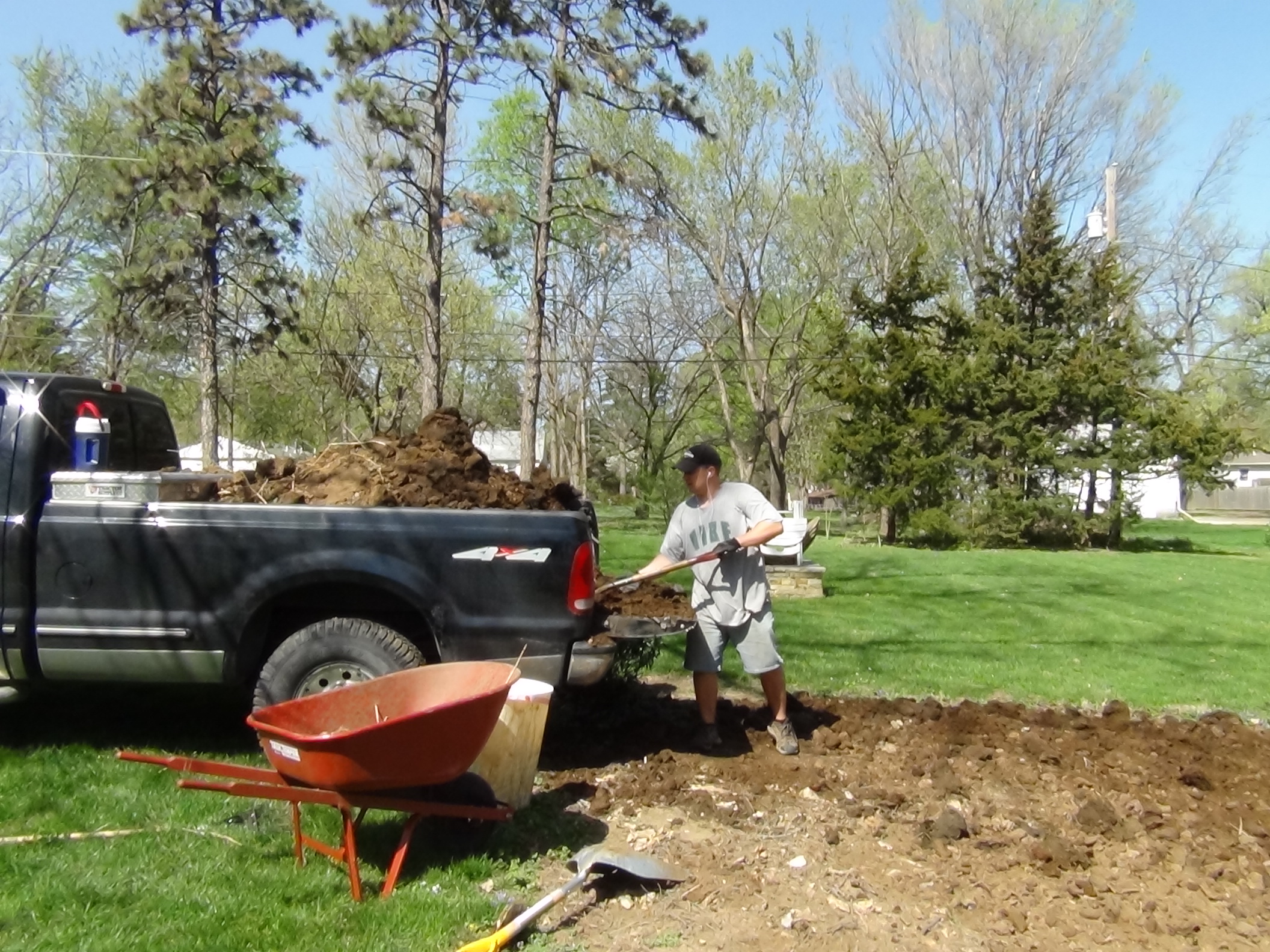
Add organic fertilizer/compost to your garden!
For optimal results you will also want to mix in some organic fertilizer with this soil. The type of compost/fertilizer you use will differ depending on what you want to grow. For example, tomatoes require a high amount of nitrogen, where as carrots/peas are not as dependent on this nutrient. Ask at your local garden centre to get the most appropriate fertilizer mix for your purposes.
Growing can be a tricky procedure and you will learn as you go along. Over time your yields should get bigger and your plants’ health improve. Growing your own food is not only rewarding but also fun; eating food you have grown from scratch yourself is endlessly more rewarding than going to the grocery store.”
About the Author
Peter McAllister is employed by SGM contracts who supply equipment and services such
as rotavators for sale. We support sustainable living and like to encourage green projects such as home food growing. For more information see http://www.sgm-uk.com



 Completely Nourished